Introduction to SEO
If you’ve ever wondered what is SEO and how it can transform your online presence, you’re in the right place. Search Engine Optimization has become the backbone of digital marketing, helping millions of websites connect with their target audience. In 2026, understanding SEO is more important than ever as search engines continue to evolve and become smarter.
Whether you’re a business owner, blogger, or digital marketer, this complete guide will walk you through everything you need to know about SEO and how it works in today’s digital world.
What is SEO? The Basics Explained?
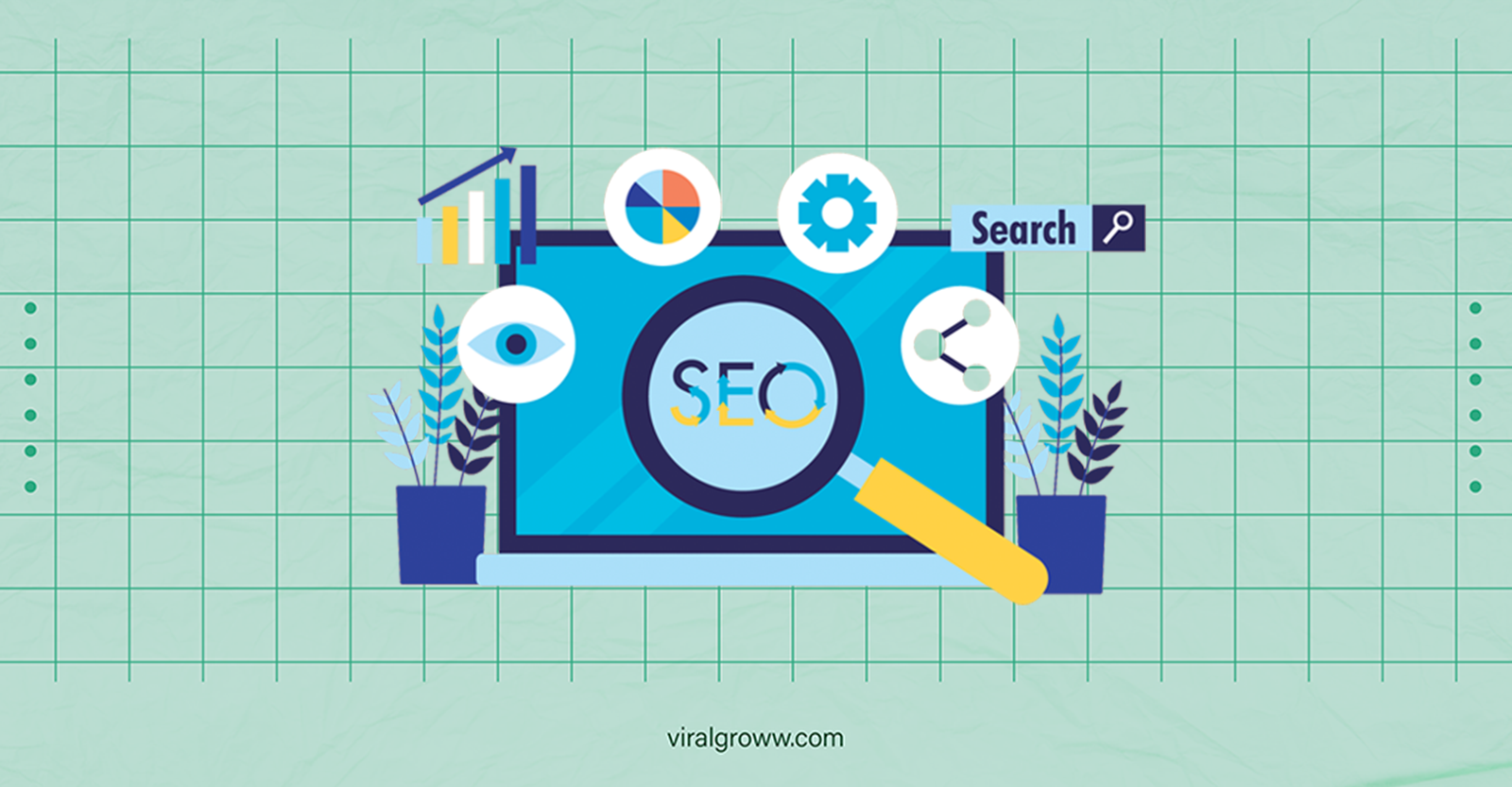
What is SEO? SEO stands for Search Engine Optimization. It’s the practice of improving your website to increase its visibility when people search for products or services related to your business on search engines like Google, Bing, and Yahoo.
Think of SEO as making your website more attractive to search engines. When you optimize your site properly, search engines can easily understand what your content is about and show it to people who are looking for that information.
Why SEO Matters in 2026
SEO is crucial because:
- 93% of online experiences begin with a search engine
- 75% of users never scroll past the first page of search results
- Organic search drives 53% of all website traffic
- SEO leads have a 14.6% close rate compared to 1.7% for outbound leads
These statistics show why understanding what is SEO and implementing it correctly can make or break your online success.
How Search Engines Work
To understand what is SEO, you need to know how search engines work. Search engines use complex algorithms to find, understand, and rank web pages. Here’s the process:
1. Crawling
Search engines use automated bots called crawlers or spiders to discover new and updated content on the web. These crawlers follow links from one page to another, constantly scanning the internet.
2. Indexing
After crawling, search engines store and organize the information they found in a massive database called an index. This is like a giant library catalog that helps search engines quickly find relevant content.
3. Ranking
When someone searches for something, the search engine looks through its index and decides which pages are most relevant and useful for that query. It then ranks these pages in order of relevance and quality.
Types of SEO
Understanding what is SEO means knowing its different types. There are three main categories:
On-Page SEO
On-page SEO focuses on optimizing individual web pages to rank higher and earn more relevant traffic. Key elements include:
- Title tags and meta descriptions
- Header tags (H1, H2, H3)
- Keyword optimization
- Content quality and length
- Internal linking
- Image optimization
- URL structure
- Page loading speed
Off-Page SEO
Off-page SEO refers to actions taken outside your website to impact your rankings. This includes:
- Link building
- Social media marketing
- Guest blogging
- Brand mentions
- Online reviews
- Local citations
Technical SEO
Technical SEO focuses on improving the technical aspects of your website to help search engines crawl and index it more effectively:
- Website speed optimization
- Mobile responsiveness
- XML sitemaps
- Robot.txt files
- SSL certificates
- Structured data markup
- Core Web Vitals
Key SEO Ranking Factors in 2026
When people ask what is SEO, they often want to know what factors affect rankings. Here are the most important ones in 2026:
1. Content Quality and Relevance
High-quality, relevant content remains the foundation of good SEO. Search engines prioritize content that:
- Answers user questions thoroughly
- Provides unique value
- Is well-researched and accurate
- Matches search intent
- Is regularly updated
2. User Experience (UX)
User experience has become increasingly important. Google’s algorithm now considers:
- Page loading speed
- Mobile-friendliness
- Easy navigation
- Low bounce rates
- High dwell time
- Core Web Vitals
3. E-A-T (Expertise, Authoritativeness, Trustworthiness)
Google evaluates websites based on:
- Expertise: Content created by knowledgeable authors
- Authoritativeness: Recognition as a go-to source in your field
- Trustworthiness: Reliable, accurate, and honest information
4. Backlinks
Quality backlinks from reputable websites still play a crucial role in SEO. Focus on:
- Getting links from authoritative sites
- Relevant, contextual links
- Natural link building
- Diverse link profiles
5. Local SEO Factors
For local businesses, these factors are essential:
- Google My Business optimization
- Local citations
- Online reviews
- Local keyword targeting
- NAP consistency (Name, Address, Phone)
SEO Tools and Techniques
Understanding what is SEO also means knowing which tools can help you succeed. Here are some essential SEO tools:
Free SEO Tools
- Google Analytics: Track website traffic and user behavior
- Google Search Console: Monitor your site’s search performance
- Google Keyword Planner: Find relevant keywords
- Google PageSpeed Insights: Check page loading speed
- Ubersuggest: Keyword research and competitor analysis
Paid SEO Tools
- SEMrush: Comprehensive SEO toolkit
- Ahrefs: Powerful backlink analysis and keyword research
- Moz Pro: All-in-one SEO software
- Screaming Frog: Technical SEO audit tool
Essential SEO Techniques
Keyword Research
Start by finding the right keywords for your business:
- Brainstorm topics related to your business
- Use keyword research tools to find related terms
- Analyze search volume and competition
- Look for long-tail keywords
- Study competitor keywords
Content Optimization
Create content that both users and search engines love:
- Use your target keyword in the title
- Include keywords naturally in your content
- Write compelling meta descriptions
- Use header tags to structure content
- Add internal and external links
- Optimize images with alt text
Link Building Strategies
Build high-quality backlinks through:
- Creating valuable, linkable content
- Guest posting on relevant sites
- Building relationships with other websites
- Participating in industry forums
- Getting listed in relevant directories
Common SEO Mistakes to Avoid
When learning what is SEO, it’s important to know what not to do:
1. Keyword Stuffing
Don’t overuse keywords in your content. This makes your content hard to read and can result in penalties.
2. Ignoring Mobile Optimization
With mobile-first indexing, having a mobile-friendly website is essential.
3. Neglecting Page Speed
Slow-loading pages frustrate users and hurt your rankings.
4. Buying Low-Quality Backlinks
Focus on earning high-quality, relevant links instead of buying cheap, spammy ones.
5. Duplicate Content
Avoid copying content from other sites or duplicating your own content across multiple pages.
6. Ignoring Local SEO
If you’re a local business, don’t overlook local SEO optimization.
7. Not Tracking Performance
Monitor your SEO efforts using tools like Google Analytics and Search Console.
SEO Trends for 2026
As we explore what is SEO in 2026, here are the key trends shaping the industry:
1. AI and Machine Learning
Search engines are becoming smarter with AI. Focus on:
- Creating helpful, human-centered content
- Understanding user intent
- Optimizing for semantic search
2. Voice Search Optimization
With the rise of smart speakers and voice assistants:
- Target conversational keywords
- Optimize for local searches
- Create FAQ-style content
3. Core Web Vitals
Google’s focus on user experience continues with:
- Largest Contentful Paint (LCP)
- First Input Delay (FID)
- Cumulative Layout Shift (CLS)
4. Video SEO
Video content is becoming increasingly important:
- Optimize video titles and descriptions
- Create video transcripts
- Use video schema markup
5. Featured Snippets
Optimize for position zero by:
- Answering questions directly
- Using structured formats
- Creating comprehensive content
How to Get Started with SEO
Now that you understand what is SEO, here’s how to begin:
Step 1: SEO Audit
Start by analyzing your current website:
- Check your site’s technical health
- Review your content quality
- Analyze your backlink profile
- Identify improvement opportunities
Step 2: Keyword Research
Find the right keywords to target:
- Research your audience
- Identify relevant topics
- Use keyword research tools
- Prioritize keywords by difficulty and opportunity
Step 3: On-Page Optimization
Optimize your existing content:
- Update title tags and meta descriptions
- Improve content quality
- Optimize images
- Fix internal linking
Step 4: Content Creation
Develop a content strategy:
- Create valuable, original content
- Target different types of search intent
- Maintain a consistent publishing schedule
- Update existing content regularly
Step 5: Link Building
Build your website’s authority:
- Create linkable assets
- Reach out to relevant websites
- Guest post on quality sites
- Build relationships in your industry
Step 6: Monitor and Improve
Track your progress and make adjustments:
- Use Google Analytics and Search Console
- Monitor keyword rankings
- Track traffic and conversions
- Continuously optimize based on data
Working with SEO Professionals
If you’re feeling overwhelmed by learning what is SEO and implementing it yourself, consider working with professionals. Viral Groww offers comprehensive SEO services to help businesses improve their online visibility and drive more organic traffic.
As a leading SEO agency in Delhi, Viral Groww has helped numerous businesses achieve their digital marketing goals through effective SEO strategies. Their team of experts stays up-to-date with the latest SEO trends and algorithm changes to ensure your website performs well in search results.
Measuring SEO Success
Understanding what is SEO includes knowing how to measure success. Key metrics to track include:
Traffic Metrics
- Organic traffic growth
- Click-through rates
- Impressions
- Average position
Engagement Metrics
- Bounce rate
- Time on page
- Pages per session
- Return visitors
Conversion Metrics
- Goal completions
- Conversion rate
- Revenue from organic traffic
- Lead generation
Technical Metrics
- Page loading speed
- Core Web Vitals scores
- Crawl errors
- Mobile usability
The Future of SEO
As we continue to explore what is SEO and its evolution, it’s clear that the future holds exciting developments:
Artificial Intelligence Integration
AI will continue to shape how search engines understand and rank content. Focus on creating genuinely helpful content that serves your audience’s needs.
Personalization
Search results will become more personalized based on user behavior, location, and preferences.
Visual and Voice Search
Optimization for image and voice search will become increasingly important as these technologies improve.
Sustainability and Ethics
Search engines may begin considering environmental impact and ethical business practices as ranking factors.
Conclusion
Understanding what is SEO is essential for anyone who wants to succeed online in 2026. SEO is not just about ranking higher in search results; it’s about creating a better experience for your users while making your content more discoverable.
The key to SEO success lies in focusing on your audience first, creating valuable content, and following best practices consistently. Remember that SEO is a long-term strategy that requires patience, dedication, and continuous learning.
Whether you choose to handle SEO in-house or work with professionals like Viral Groww, the most important thing is to start implementing SEO strategies that align with your business goals.
Start your SEO journey today, and remember that every expert was once a beginner. With the right knowledge and consistent effort, you can improve your website’s visibility and achieve your online marketing goals.
Ready to improve your website’s SEO? Begin by conducting an SEO audit of your current site, and don’t hesitate to reach out to SEO professionals when you need expert guidance. The world of search engine optimization is constantly evolving, but the fundamentals of creating valuable content and providing great user experiences will always remain important.